Cultural & Architecture
Colonial-era buildings, mining-town character, and living cultural landmarks — explore the architectural and cultural fabric that gives Sungai Lembing its distinctive identity.
Cultural & Architectural Sites
From heritage shopfronts to community landmarks, discover the buildings and cultural spaces that shape everyday life in Sungai Lembing
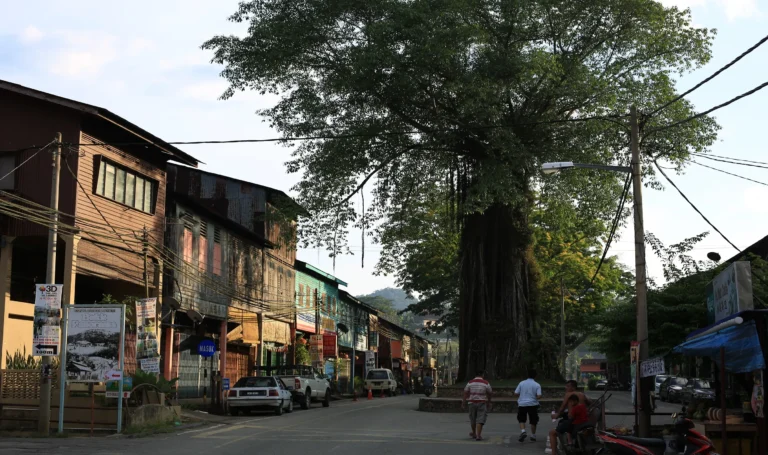
Old Shop Houses at Pekan Sungai Lembing
Pekan Sungai Lembing is a historic small town in Pahang, Malaysia, founded in the early 1900s as a tin-mining community by the British and once nicknamed the "El Dorado of the East"
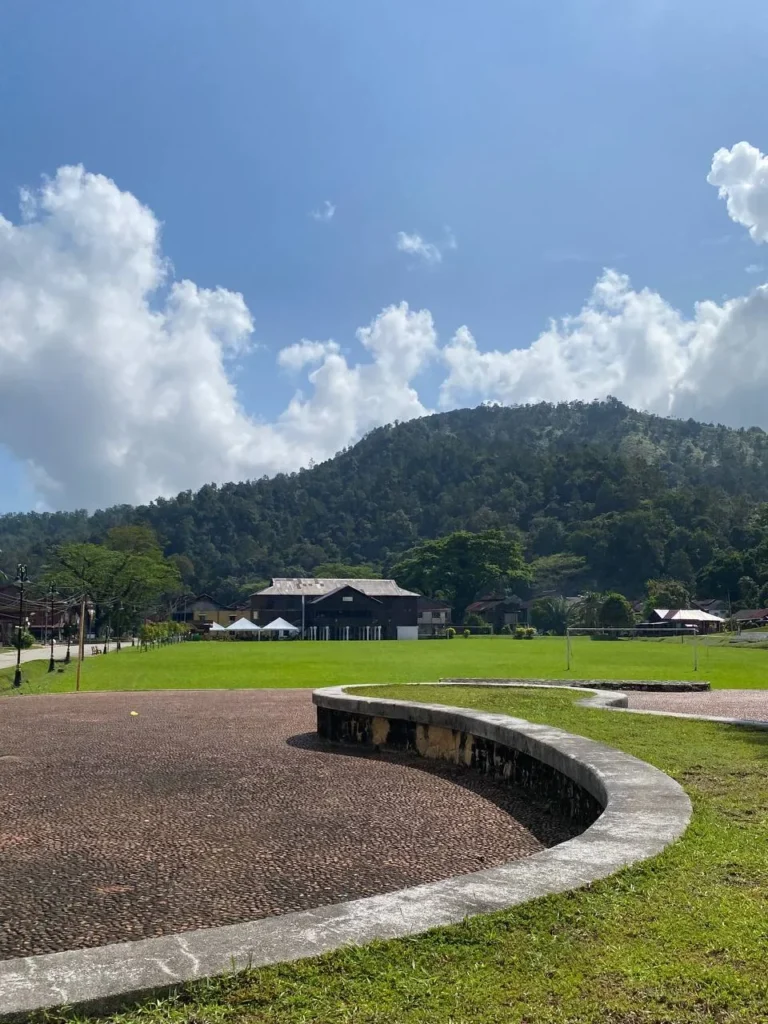
Padang
The Padang in Sungai Lembing serves as a central open space for community gatherings, recreational activities, and local events. Surrounded by historical buildings, it offers a relaxing spot for visitors to unwind, enjoy the town’s atmosphere, and observe everyday life in this quiet heritage settlement.


Sungai Lembing Hospital
Established during the height of the Pahang Consolidated Company Limited's (PCCL) mining operations, this hospital was, at one time, the only one in all of Pahang, serving thousands of miners and their families. Alongside the town's cinema and schools, it stood as a symbol of Sungai Lembing's early modernization, reflecting the scale and ambition of a company town built to sustain a thriving mining community.
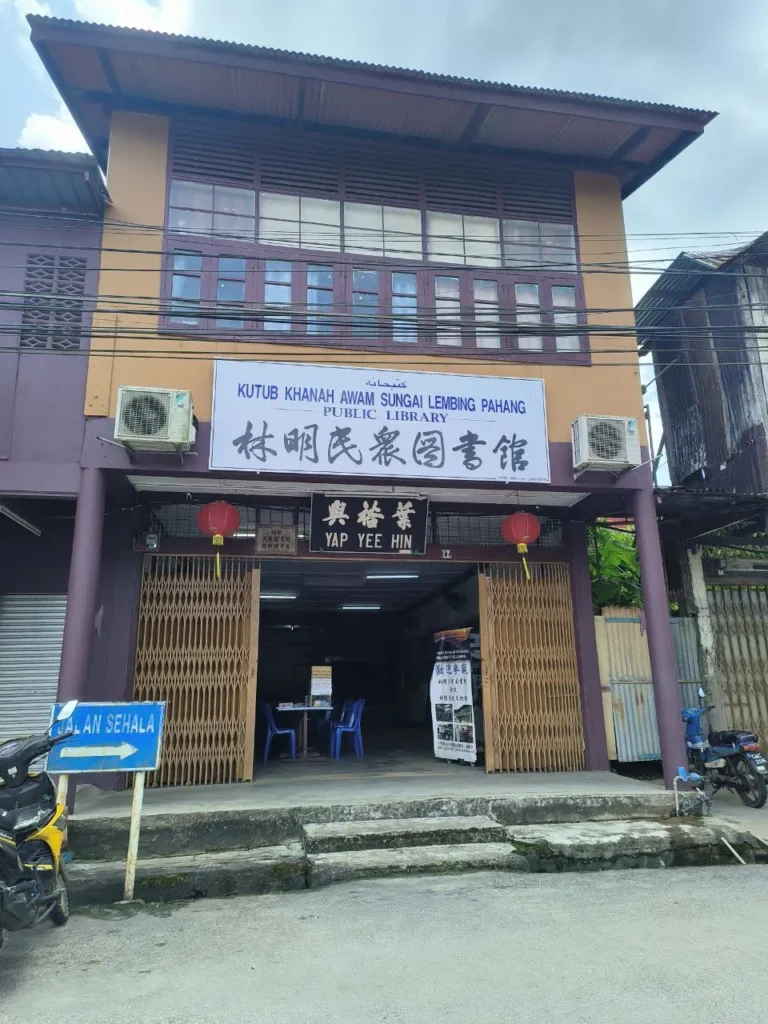
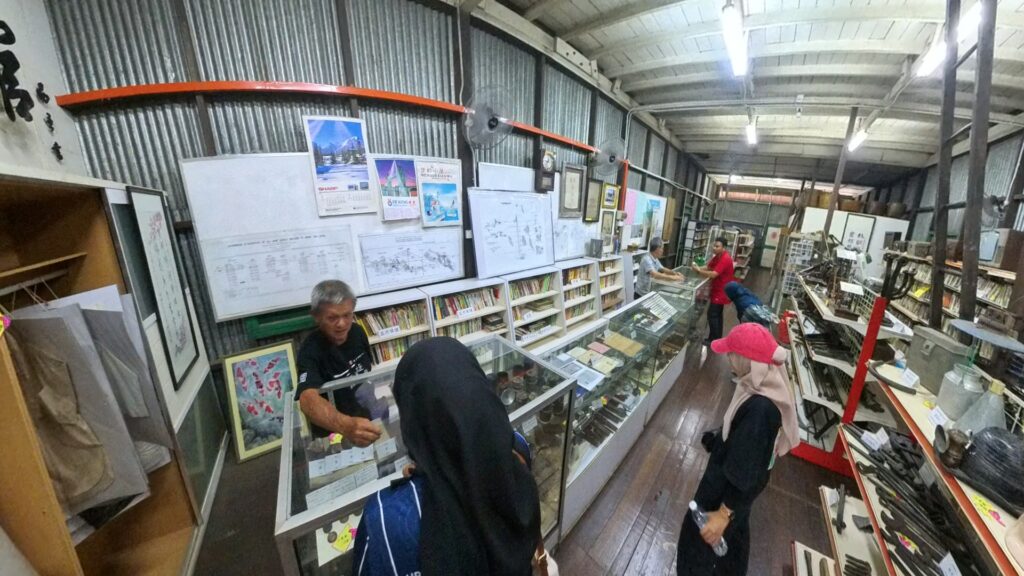
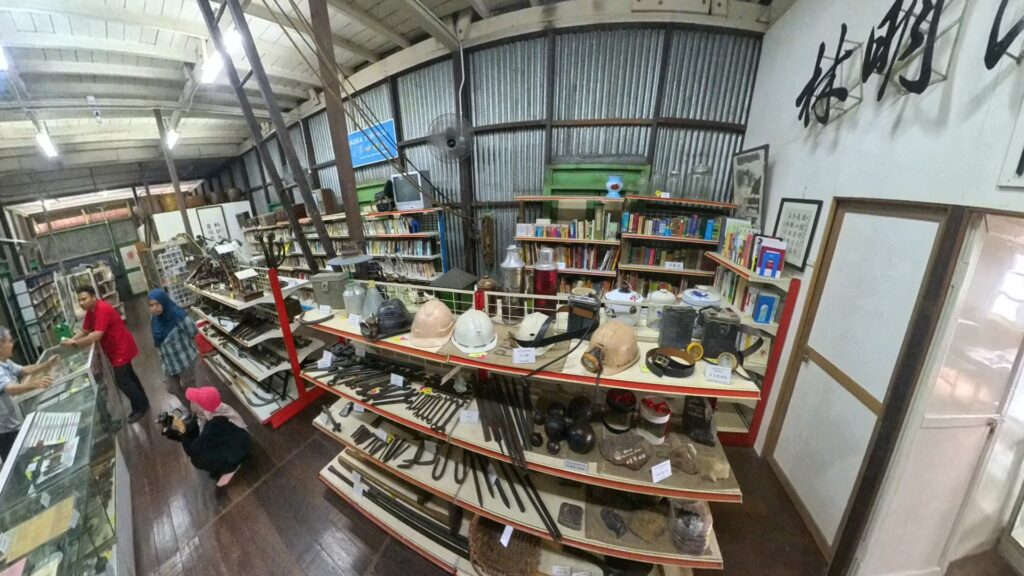
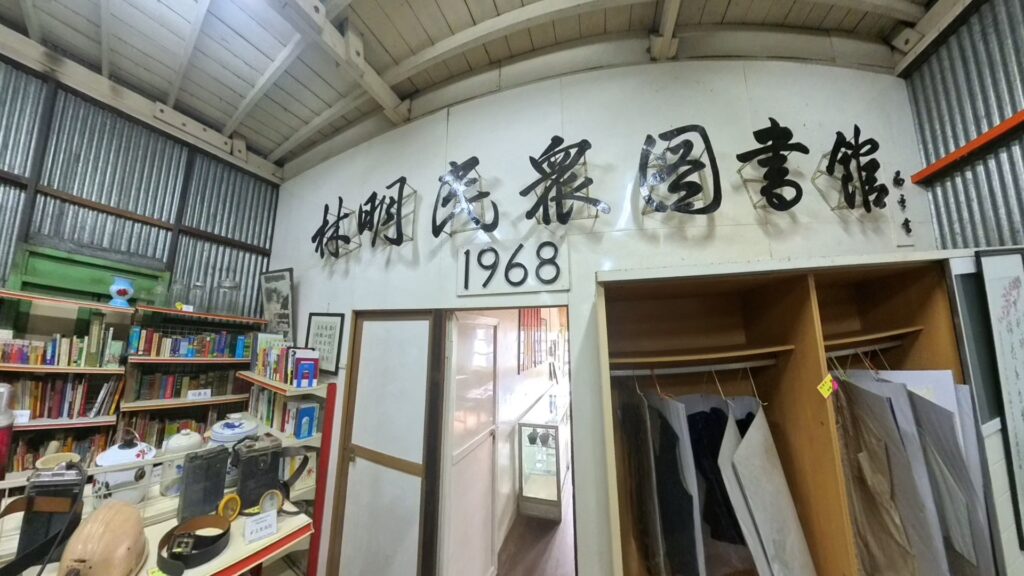
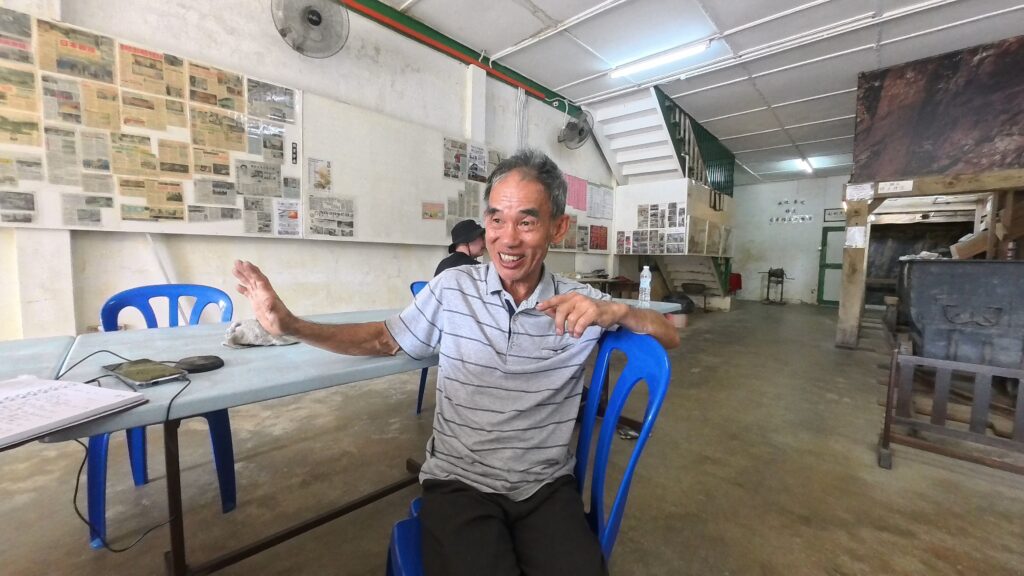
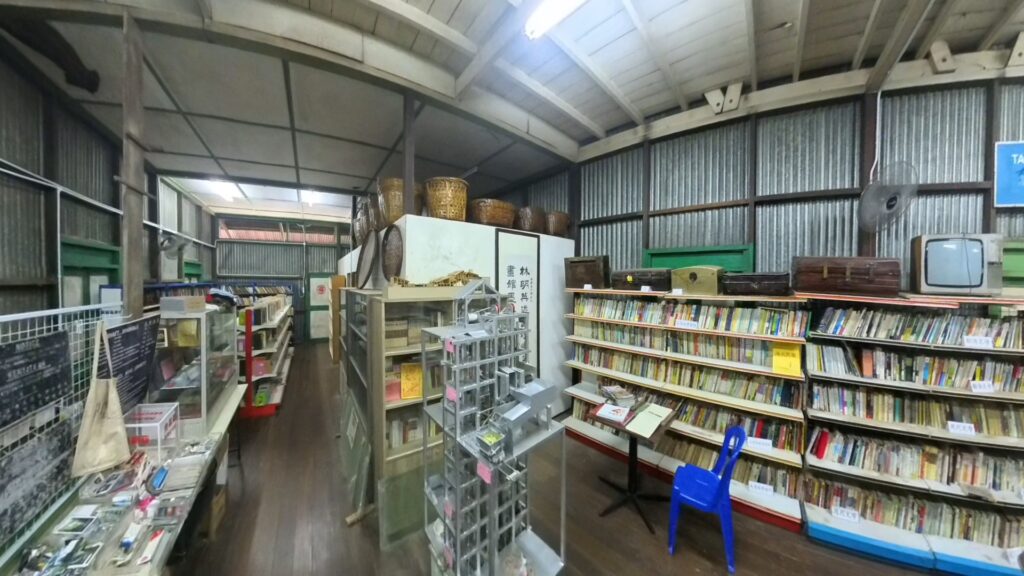
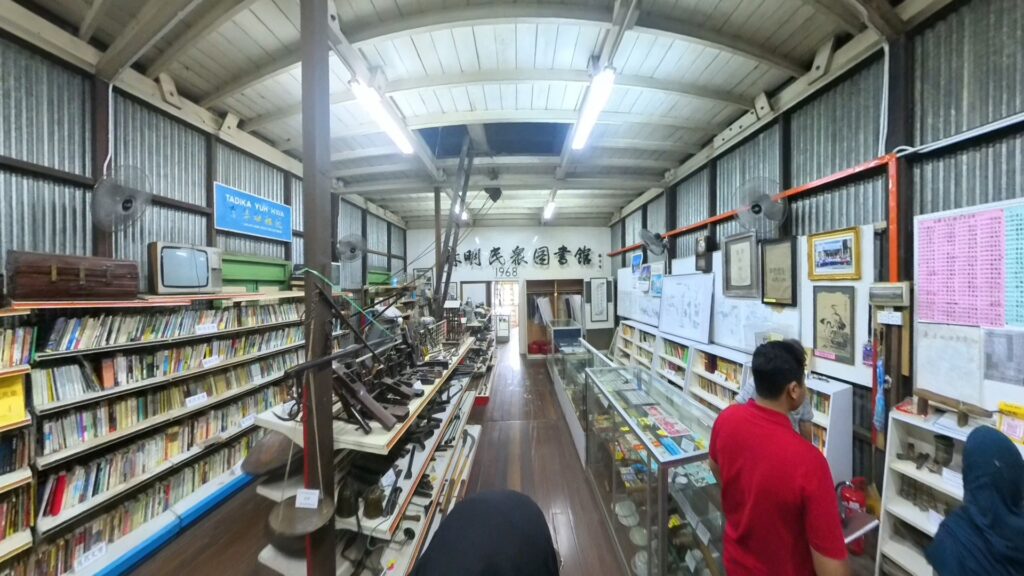
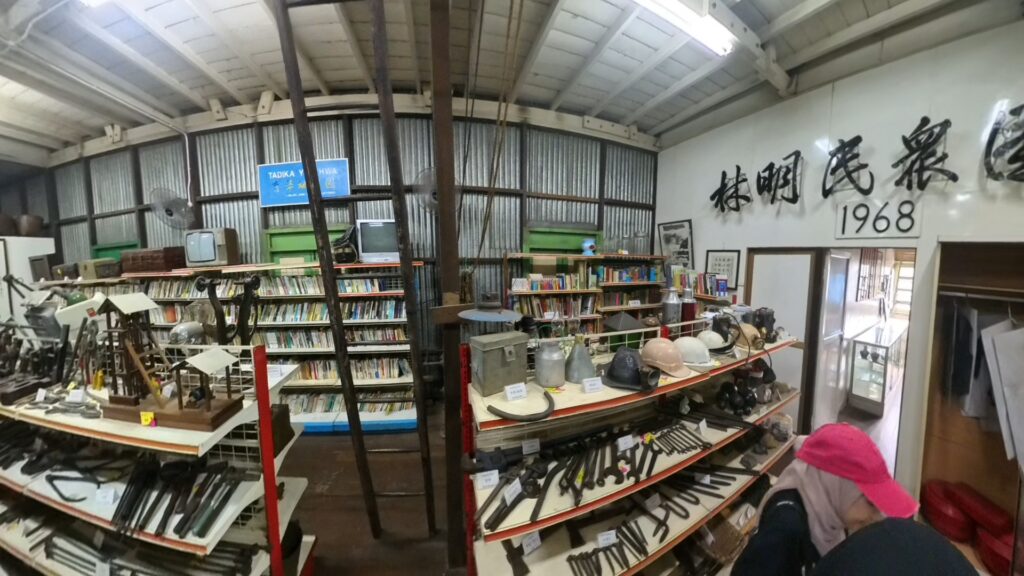
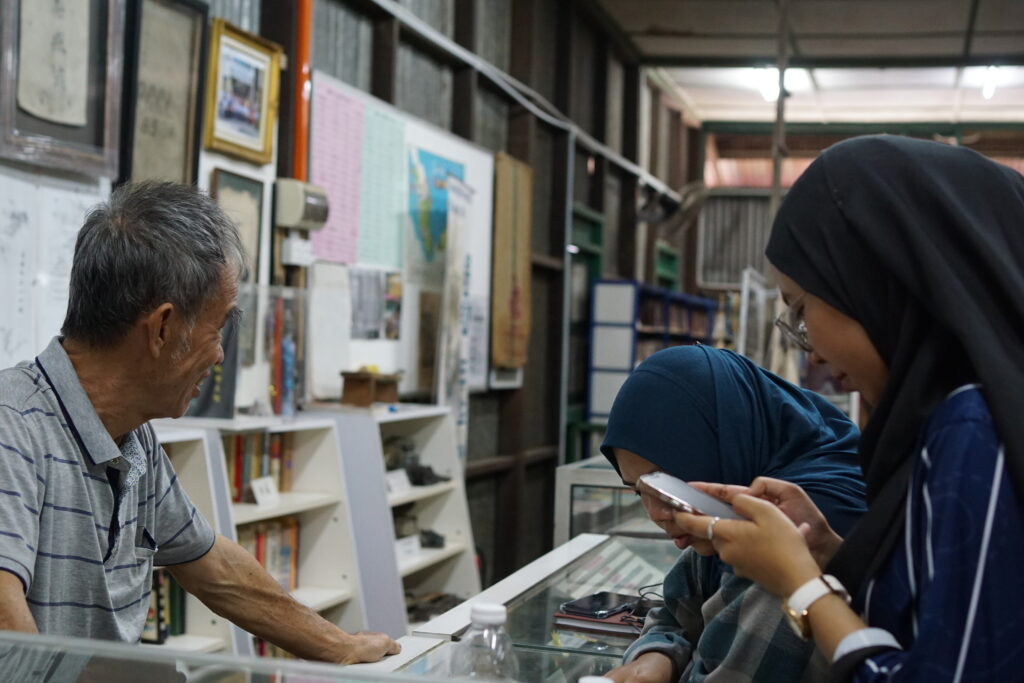
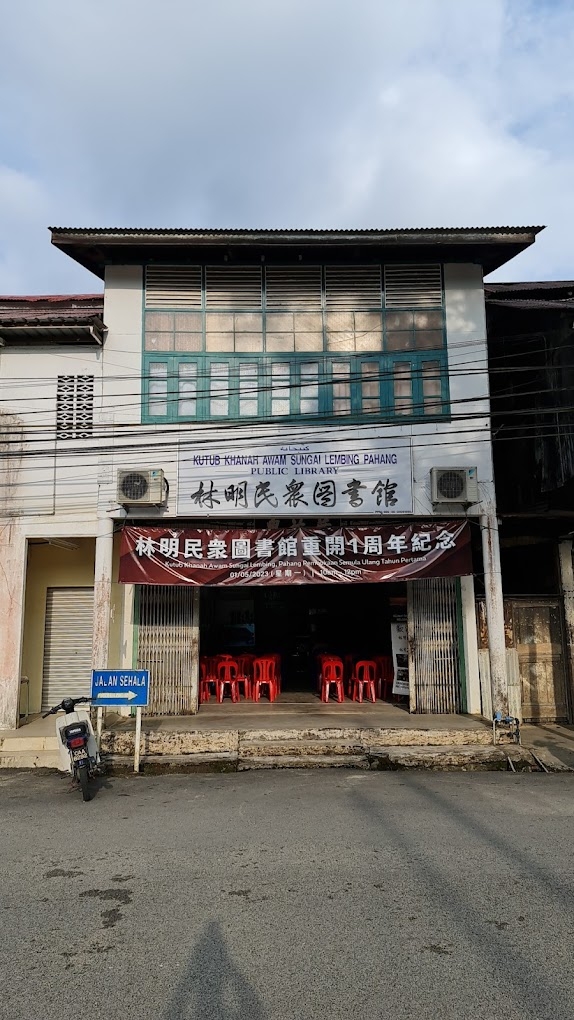
Sungai Lembing Public Library
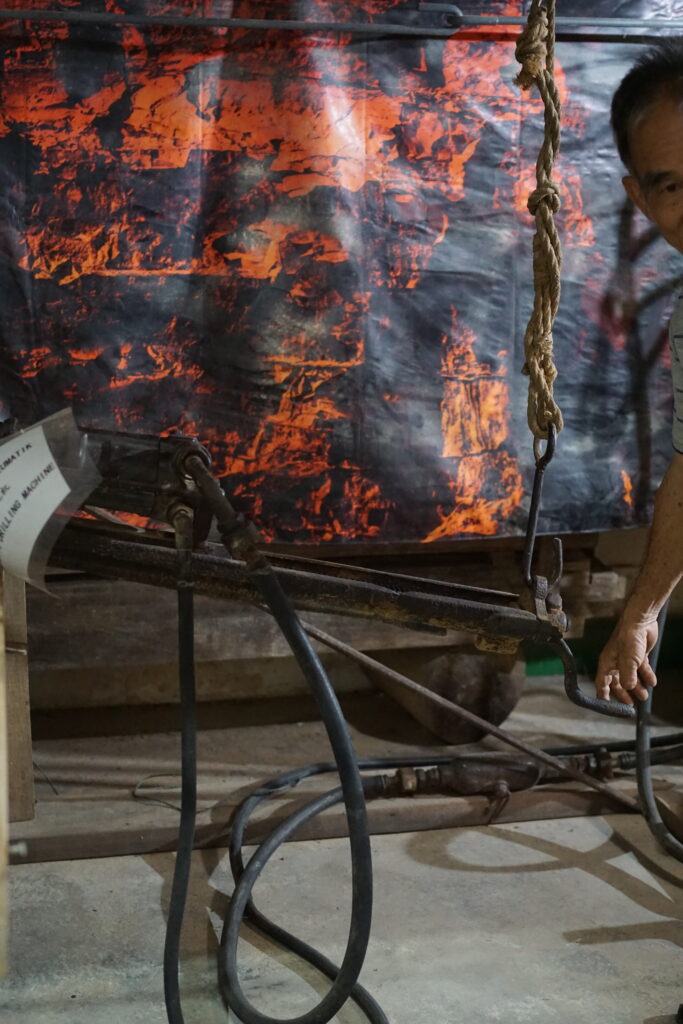
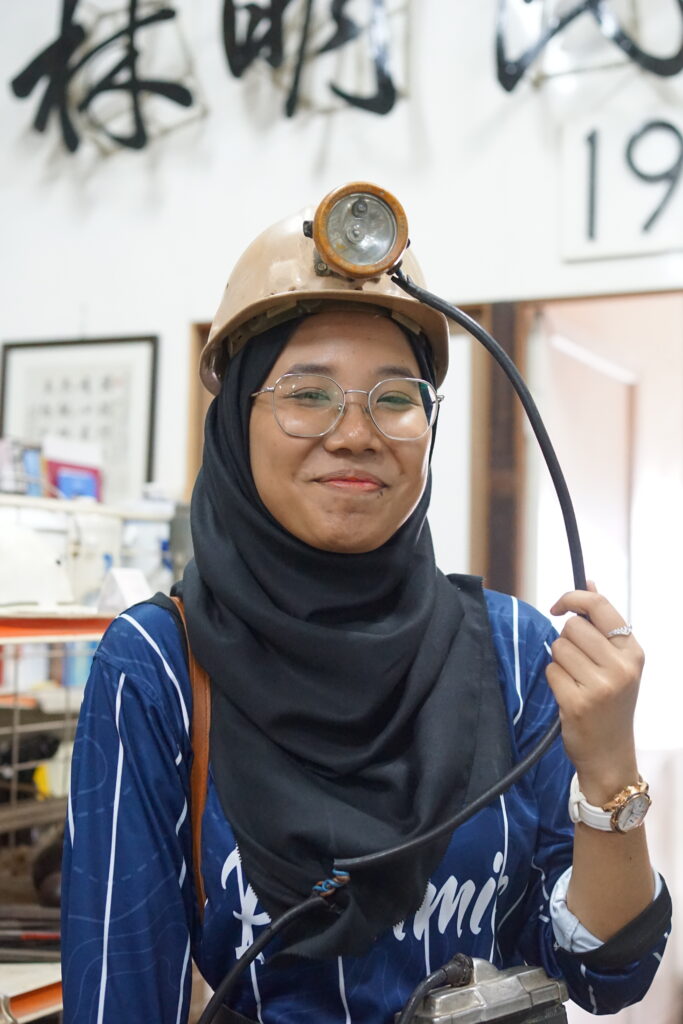
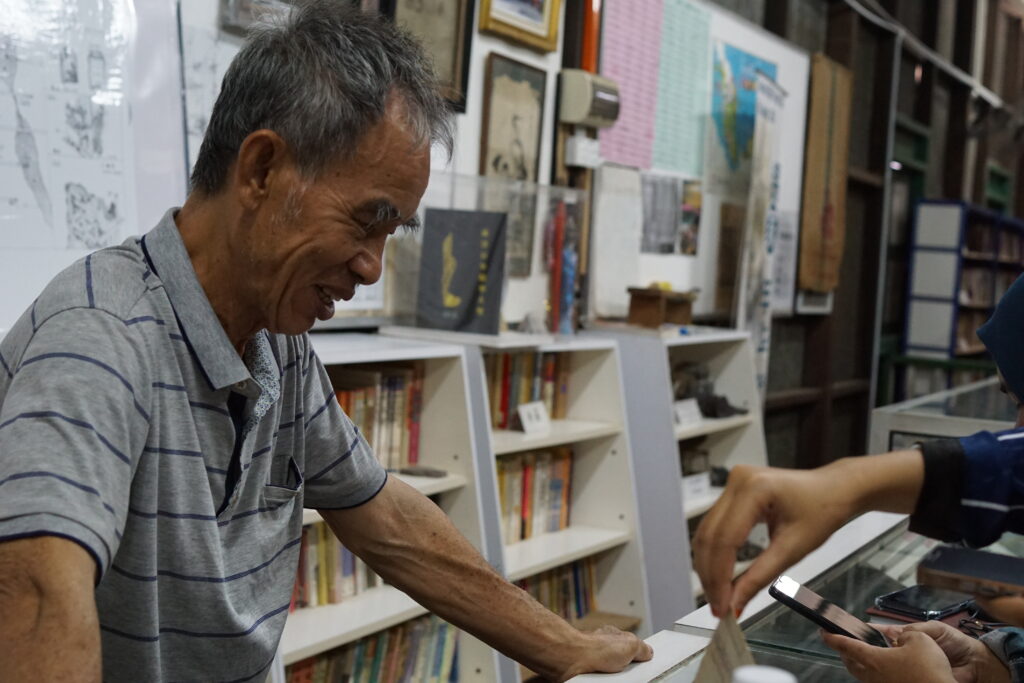
The Sungai Lembing Public Library (Perpustakaan Awam Sungai Lembing), locally known as "Kutub Khanah," was a beloved community landmark built by locals in 1968, housing over 10,000 historical documents, books, and photos chronicling the town's rich tin-mining heritage
Thean Hou Temple
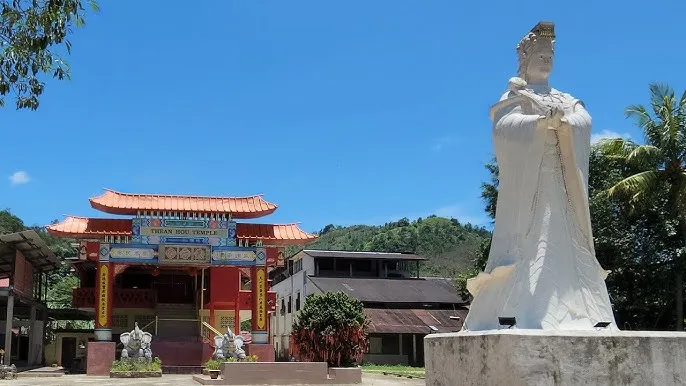
Thean Hou Temple (Sungai Lembing Tian Hou Gong) is a historic Chinese temple built around 1911 by Hainanese pioneers, famously housing the "Tallest Mazu Statue in Malaysia" recognised by the Malaysia Book of Records. Situated along the main street, its unique architecture places the prayer hall on the upper floor to protect it from frequent river floods, and it features a "Hainan-style" archway and a riverside "Garden of Happiness."