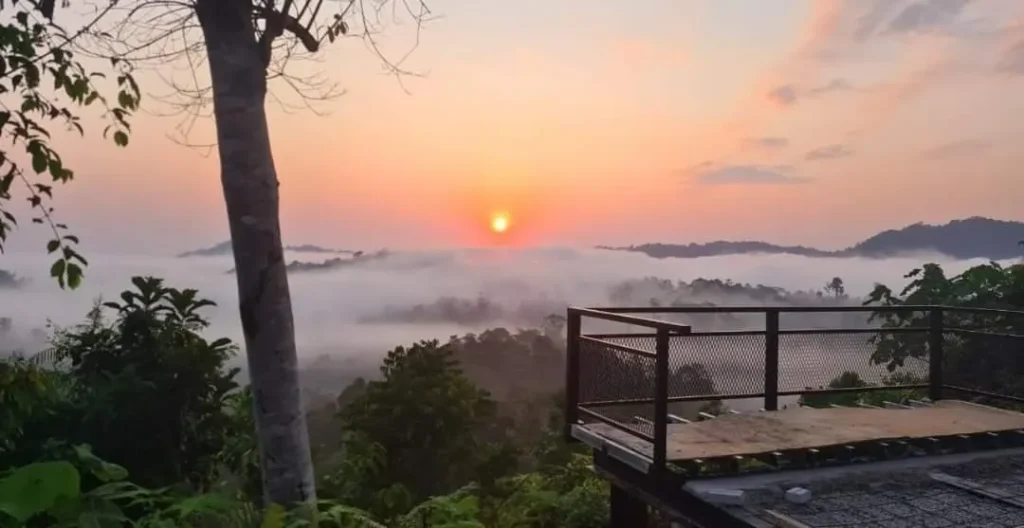
Welcome to Sungai Lembing
El Dorado of the East
Once home to the world's largest and deepest underground tin mine, Sungai Lembing is a historic mining town transformed into one of Pahang's premier heritage tourism destinations. Located 42km from Kuantan, this charming town preserves over a century of mining history while offering stunning natural beauty and authentic cultural experiences.








A Journey Through Time
From prehistoric tin mining to becoming Southeast Asia's most significant underground tin mine, Sungai Lembing's history spans centuries. According to historian William Linehan, these mines may have been the source of the name "Pahang" itself—the Khmer word for tin.
World-Class Mining Heritage
Historical Significance
Global Industrial Heritage
As the world's largest underground tin mine, Sungai Lembing represents a crucial chapter in global industrial history. The mine's innovative engineering and massive scale made it an engineering marvel of the early 20th century.
Colonial Era Legacy
The town preserves authentic British colonial architecture and infrastructure, including worker housing, administrative buildings, and social facilities. It stands as a living testament to colonial-era industrialization in Southeast Asia.
Economic Cornerstone
For a century, Sungai Lembing was vital to both Pahang's and Malaysia's economy. The mine produced 13 million metric tons of rough tin ore, yielding 150,000 metric tons of tin concentrate—significantly contributing to national development.
Cultural Milestones
Home to the first cinema in Asia and the first hospital in Pahang, Sungai Lembing was at the forefront of modernization. The town was among the first places in Malaya to receive electricity.
Sustainable Tourism Model
Sungai Lembing's transformation from abandoned mining town to thriving heritage tourism destination demonstrates successful resource-based urban renewal. It serves as a model for sustainable community-driven tourism development.
Educational Value
The museum and preserved mining sites offer invaluable educational experiences about mining technology, industrial heritage, and social history—making it a living classroom for students and researchers.
Must-Visit Attractions
From underground mine tunnels to stunning waterfalls, Sungai Lembing offers a unique blend of heritage tourism and natural beauty.
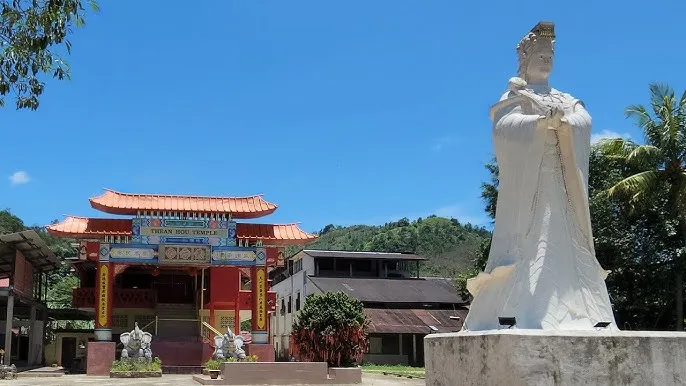
Thean Hou Temple
Thean Hou Temple (Sungai Lembing Tian Hou Gong) is a historic Chinese temple built around 1911 by Hainanese pioneers, famously housing the "Tallest Mazu Statue in Malaysia" recognised by the Malaysia Book of Records. Situated along the main street, its unique architecture places the prayer hall on the upper floor to protect it from frequent river floods, and it features a "Hainan-style" archway and a riverside "Garden of Happiness."
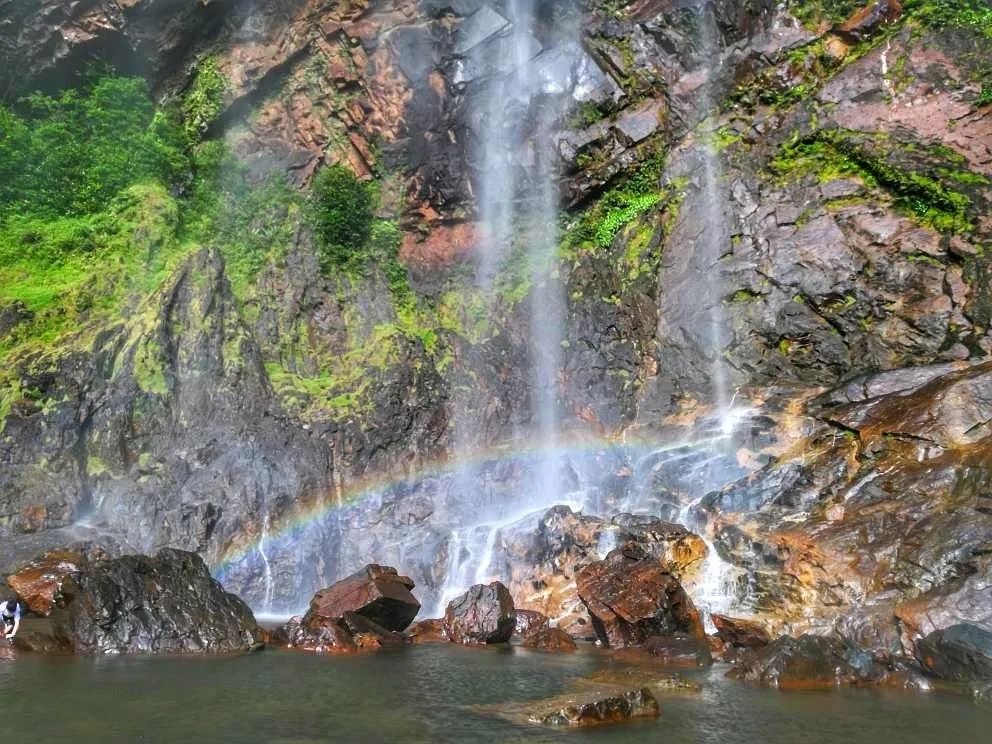
Rainbow Waterfall
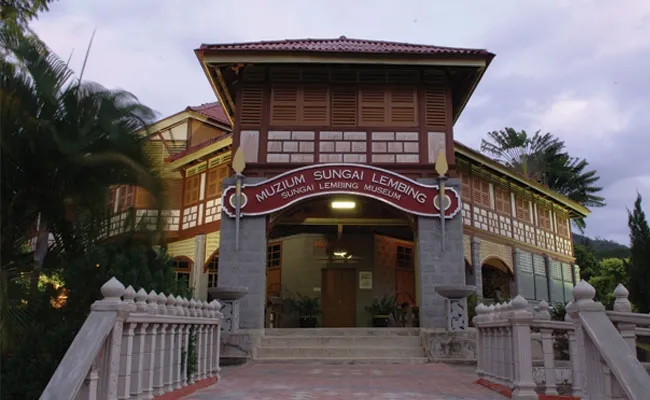
Sungai Lembing Tin Mining Museum